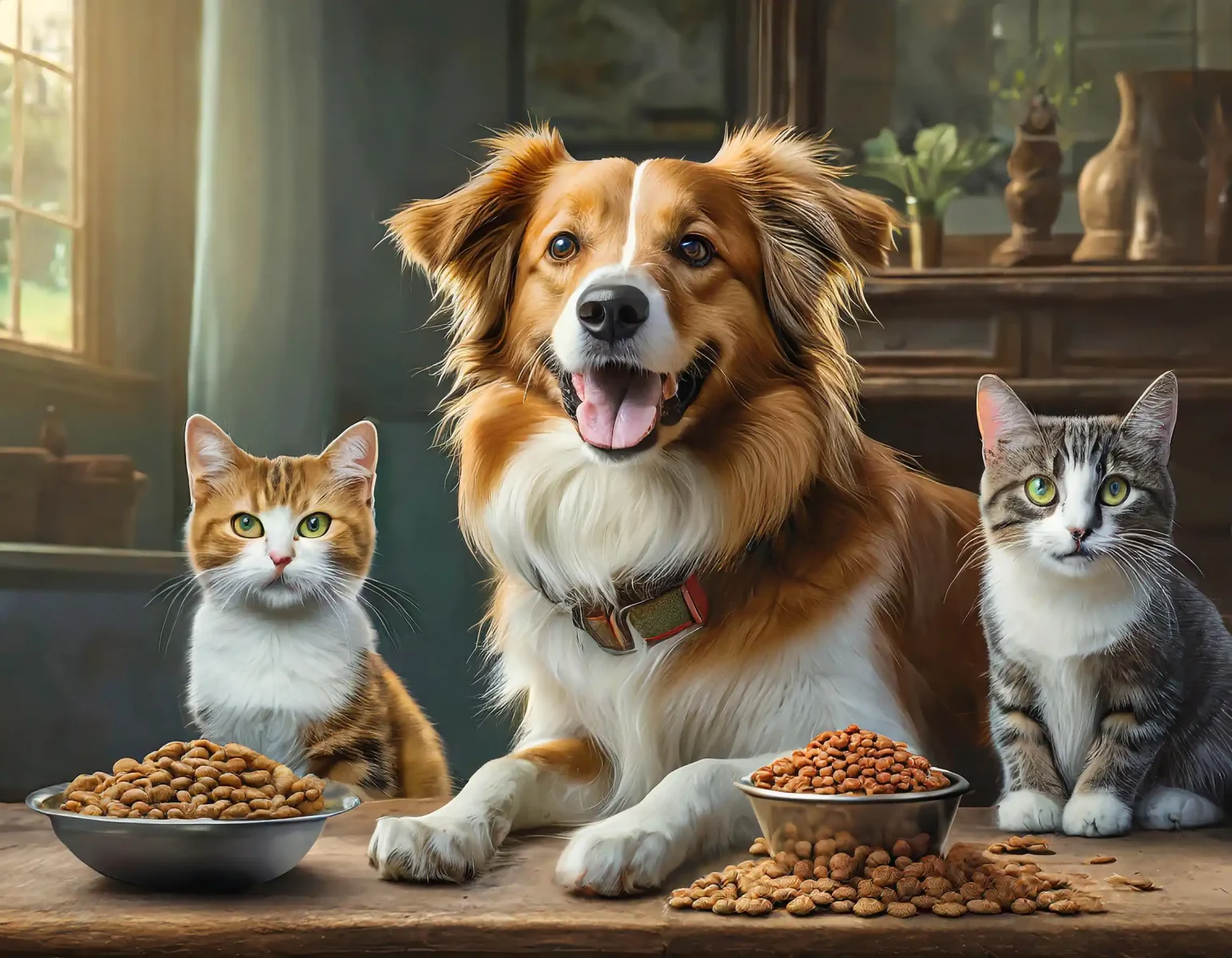
Did you know a shocking number of well-meaning pet owners accidentally jeopardize their furry companions’ health with the food they provide? It’s a harsh reality – even with the best intentions, simple mistakes in pet nutrition can have unforeseen consequences. Are you unknowingly putting your pet at risk? Don’t let feeding time become a guessing game! In this article, we’ll expose the most common mistakes people make when feeding their animals, and importantly, arm you with the knowledge to avoid them. After all, a healthy diet is your pet’s key to a long and happy life!
Table of Contents
Animal Nutrition: Feeding Your Furry Friend for Optimal Health
Let’s face it, we all love spoiling our pets. But a bowl overflowing with treats or table scraps may be doing more harm than good. Nutrition lays the foundation for your pet’s overall well-being, but how can you be sure you’re getting it right? Let’s dive into the nitty-gritty of animal nutrition and decode those puzzling pet food labels!
Mistake #1: One Size Does NOT Fit All
Think all pet foods are created equal? Think again! What works for your neighbor’s Golden Retriever might not be suitable for your aging Persian cat. Your pet’s nutritional needs depend on:
- Species: Cats and dogs have vastly different dietary requirements.
- Age: Puppies and kittens need extra fuel for growth, while senior pets need gentler formulas.
- Breed: Some breeds are prone to specific health issues that can be managed with the right nutrition.
- Activity level: Is your pet a couch potato or an agility star? Calories matter!
- Health conditions: Special diets may be needed for issues like allergies or kidney disease.
Pro Tip: Not sure where to start? Your veterinarian is your #1 ally in tailoring a feeding plan specifically for your pet!
Mistake #2: Deciphering Pet Food Labels – It’s Not Rocket Science!
Decoding pet food labels can feel like tackling hieroglyphics, right? Here’s how to cut through the clutter:
- Ingredients list: The order matters! Ingredients are listed by weight, so the first few items should be quality protein sources.
- Guaranteed analysis: Tells you the minimum percentages of crude protein and fat, and the maximum percentages of crude fiber and moisture.
- Nutritional adequacy statement: Check if the food is labeled “complete and balanced” for your pet’s life stage.
Pro Tip: Look for foods certified by an organization like the Association of American Feed Control Officials (AAFCO). This ensures the product meets nutritional standards.
Mistake #3: All Treats Are Not Created Equal
Yes, those puppy-dog eyes are hard to resist. But think twice before reaching for heavily processed treats laden with sugar, salt, and artificial ingredients.
- Moderation is Key!: Think of treats as 10% or less of your pet’s daily calorie intake.
- Healthy Swaps: Choose whole foods like carrots, blueberries, or cooked, unseasoned meat.
- Dental Treats: These promote good oral hygiene but don’t replace regular brushing.
Mistake #4: The Human Food Minefield
While sharing a taste of your dinner seems harmless, some human foods are hazardous to pets. Here’s a danger zone hit-list:
- Chocolate: The darker the chocolate, the more toxic it is to dogs and cats.
- Grapes and raisins: Can cause fatal kidney damage in dogs.
- Onions and garlic: Can lead to anemia in pets.
- Xylitol: This artificial sweetener, often found in sugar-free goodies, is extremely toxic to dogs.
- Fatty foods: These can trigger pancreatitis, a painful inflammation of the pancreas.
- Avocado: Persin, a toxin found in avocados, can be harmful to many animals.
Mistake #5: Weight Matters- Portion Control is Key!
Sadly, pet obesity is a growing epidemic. Carrying extra pounds can shorten your pet’s lifespan and increase their risk of diseases like diabetes, arthritis, and heart problems. Here’s how to maintain a healthy weight:
- Follow Feeding Guidelines: Use the recommended portions on your pet’s food as a starting point, then adjust based on their body condition.
- Measure Meals: Ditch the free-feeding and portion out food precisely.
- Account for Treats: Don’t forget their calorie contribution to your pet’s daily intake!
- Regular Weigh-ins: Check your pet’s weight often and consult your vet if you have concerns.
Bonus Tip: Food Puzzles = Fun and Fitness
Ditch the boring bowl! Make mealtimes a mental and physical workout with food puzzles. These nifty gadgets:
- Slow down fast eaters, aiding digestion and preventing bloat.
- Provide brain-boosting enrichment.
- Tackle boredom and destructive behaviors.
It’s Not Just About Food – Hydration Station!
Water is a vital nutrient! Ensure your pet always has access to clean, fresh water. Encourage drinking with these tactics:
- Multiple Water Bowls: Place them in easily accessible areas around your home.
- Running Water: Fountains provide a fun and enticing water source.
- Flavor Boost: Add a splash of low-sodium chicken broth for reluctant drinkers (but make sure fresh, plain water is always available too!).
Listen to Your Pet’s Body
No one knows your pet like you do! Monitor their appetite, weight, and overall demeanor. Notice any changes? A vet consult can rule out underlying health issues or provide adjustments to their nutrition plan.
In Conclusion
Feeding your pet shouldn’t be stressful! With a little knowledge and awareness, you can give your furry friend the gift of a long, healthy, and delicious life. Remember, your veterinarian is a fantastic resource. Team up with them to give your pet the best possible nutritional foundation. Now, who’s ready for a healthy snack?!